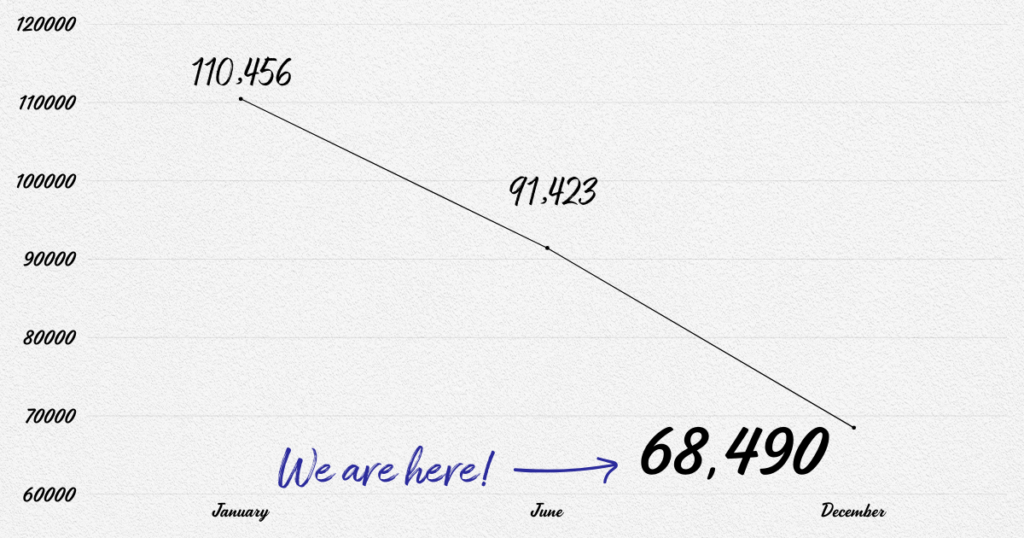
Our PC government continues to make significant progress in connecting people to the primary care they need. As of December 1, 68,490 Nova Scotians are listed on the Need a Family Practice Registry—down from 69,420 on November 1.
That means 930 people were removed from the registry in November alone. Over the course of 2025, the progress has been even more significant. From January 1 to December 1, the number of people on the registry dropped by 41,966. These changes reflect a combination of new additions, people being attached to a family doctor or nurse practitioner, and others who no longer require a provider.
Today, just 6.5% of Nova Scotians are on the registry, a sign that ongoing efforts to expand access to primary care are making a real impact.
Nova Scotia Health will release the next update in early January.
Behind these numbers is real action for recruitment throughout 2025:
- Training more doctors through the new Cape Breton University medical school, which will welcome 30 students each year
- Supporting internationally trained physicians through PACE (Physician Assessment Centre of Excellence): helping qualified doctors earn licensure more quickly while meeting Nova Scotia’s high standards for safe, ethical practice.
- Opening more Dalhousie medical seats for Nova Scotians: five new first-year seats this fall, and five more in 2026-27—growing our homegrown talent pipeline.
Our PC government has also taken action to strengthen retention of physicians:
- Introducing a new Physician Retirement Fund: helping retain more doctors by supporting long-term financial security. The program provides annual provincial contributions toward physicians’ retirement savings, based on their years of service, employment status, and personal contributions.
- Investing in Health Homes: a team-based approach where family doctors, nurse practitioners, pharmacists, social workers, and family practice nurses work together to deliver coordinated, patient-focused care. There are now over 119 Health Homes across Nova Scotia, and we continue to invest in expanding and strengthening them.
- Introducing a new fee-for-service model: giving family physicians a new payment option that rewards time, effort, and patient care. Doctors will now have compensation that reflects their hours worked, services provided, and the number of patients they serve, along with new grants and annual payments tied to patient volume.
There’s much more to come in 2026 and the direction is clear: More Care, Faster.